Blog & Insights

Explore practical guides, privacy tips, and insights on using second phone numbers smarter and safer.
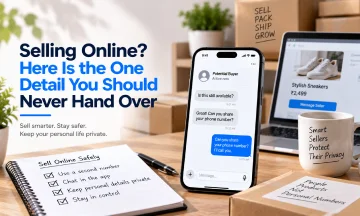
A buyer contacts you. They seem legitimate. They say they want to make sure you are a real person before committing to the purchase.
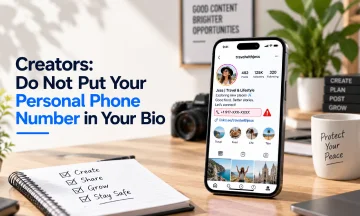
Creators face a version of the phone number exposure problem that is more intense than the average person's, for a specific reason: they deliberately cultivate a large, mixed audience.
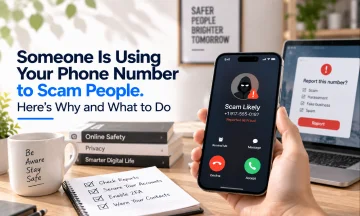
Phone number spoofing is when someone uses software, usually a VoIP-based service, to make their call appear to come from a number they do not own.
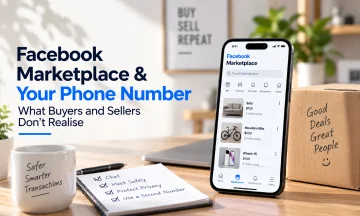
Peer to peer selling has grown enormously, and so has the volume of bad actors working within it. The Federal Trade Commission reported a 38 percent rise in social media marketplace fraud
Carrier-level filtering is more useful than manual blocking. Most major networks now flag calls as "Spam Risk" or "Scam Likely" before they even reach you.

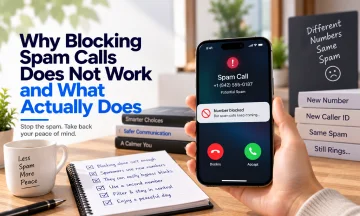
Think about what actually happens when you block a number. That specific string of digits stops working.
Free numbers cost you your data. Here's what free second phone number apps actually collect, who gets it, and why paying a few dollars a month is the smarter privacy move.
Your old phone number doesn’t disappear when you stop using it-it can remain linked to online accounts, messaging apps, and data brokers for years. This blog explains how phone number persistence works, the risks of reassignment (especially on WhatsApp), and practical steps you can take to protect your digital identity and privacy.
Blocking is a temporary fix. Learn how to use a second phone number to prevent harassment and spam from ever reaching your primary line again.
Your phone number doesn't stay where you gave it. Explore the world of data sharing and learn why a second line is the only proactive way to keep your personal inbox free from marketing noise.