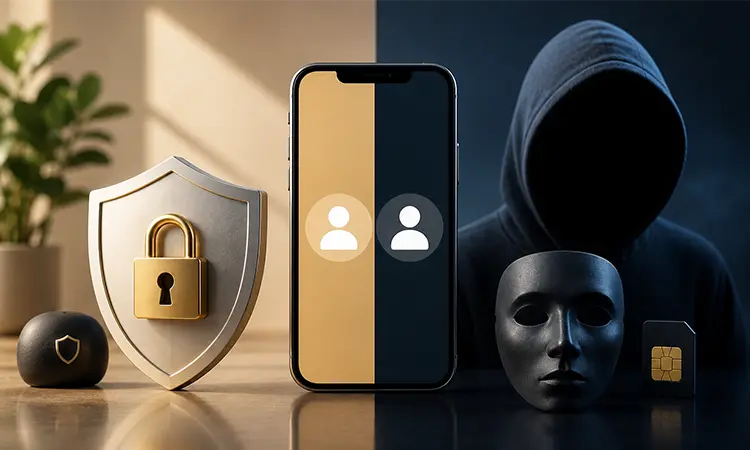
A second phone number does not make you fully anonymous.
It improves your privacy by giving you more control over who can access your real number.
Many people assume that using a second phone number means they are completely untraceable.
That’s not true.
A second number is a privacy tool, not an anonymity tool. Understanding this difference is important—not just for safety, but also for using it responsibly.
Privacy vs Anonymity: The Key Difference
Let’s simplify it:
- Privacy means controlling who can contact you and access your personal number
Privacy means you can interact with a landlord, a Tinder date, or a Craigslist buyer without them knowing your home address, your full name, or your primary contact details.
What it does: It creates a “buffer zone.” If a stranger decides to harass you, you can simply delete the second line. Your primary life-connected to your bank, family, and medical records-remains untouched.
The Benefit: You stay in control of your personal data.
- Anonymity means hiding your identity completely
Anonymity implies that no one, including the service provider or legal entities, knows who you are.
The Reality: In the modern telecom landscape, total anonymity is nearly impossible. Legitimate VoIP providers must comply with local regulations (such as “Know Your Customer” or KYC trends).
A second phone number helps with the first-but not fully with the second.
Privacy is about control – not disappearing.
What a Second Phone Number Actually Does
A second number acts as a buffer between you and others.
Instead of sharing your primary number everywhere, you use an alternate one for:
- Online platforms
- Temporary interactions
- Public-facing activities
This reduces your exposure while keeping communication open.
When a Second Phone Number Protects You
1. Sharing Your Number with Strangers
If you need to give your number to someone you don’t fully know-like:
- Buyers and sellers
- Service providers
- New contacts
A second number protects your:
- Personal identity
- Long-term contact access
You can always disconnect without affecting your main number.
2. Using Apps and Online Platforms
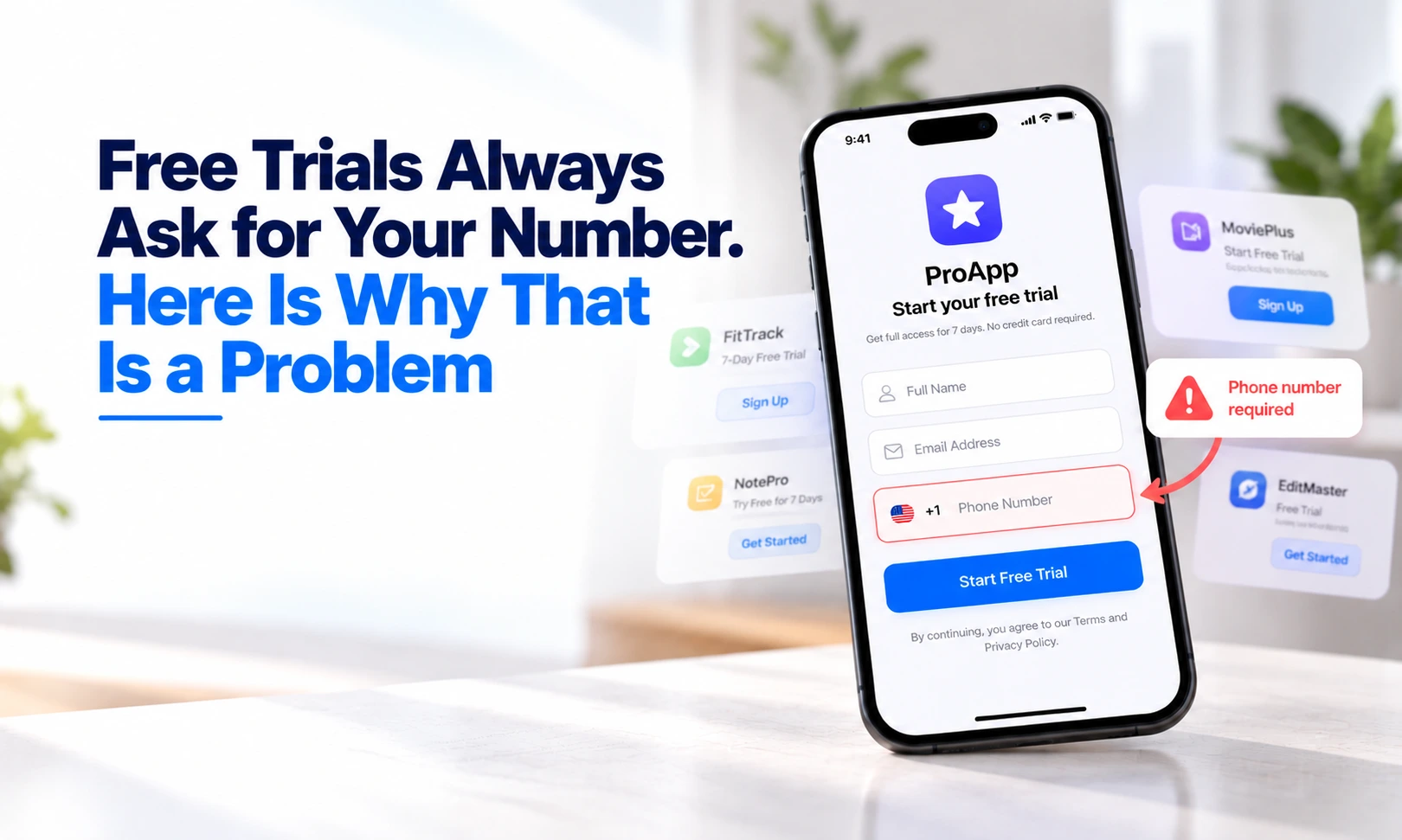
Many apps require phone verification.
Using your primary number everywhere increases your digital footprint.
A second number helps you:
- Limit where your real number is stored
- Reduce spam and unwanted outreach
- Keep your personal number private
3. Dating and Social Interactions
Early interactions don’t always require full access to your personal contact details.
A second number allows you to:
- Maintain boundaries
- Avoid oversharing
- Exit situations safely if needed
4. Work-Life Separation
Even outside formal business use, a second number helps separate:
- Personal communication
- Work or side activity communication
This protects your time and mental space.
When a Second Phone Number Does NOT Make You Anonymous
This is where clarity matters.
1. Platform-Level Identification
Many platforms still collect:
- Device information
- IP addresses
- Usage patterns
Even if you use a second number, your activity may still be linked to you in other ways.
2. Legal and Compliance Contexts
Telecom providers and apps may retain records for:
- Security
- Legal compliance
- Fraud prevention
This means a second number is not designed to bypass accountability.
3. Repeated or Patterned Use
If you consistently use a second number across platforms, it can still form a recognizable identity over time.
So while it reduces exposure, it doesn’t erase your digital presence.
The Right Way to Think About It
Instead of asking: “Will this make me anonymous?”
A better question is: “How much control does this give me over my personal information?”
That’s where a second phone number provides real value.
Why “Privacy Over Anonymity” is a Win for You
By focusing on Privacy, you gain all the safety benefits of a second line without the risks associated with “shady” anonymous services.
Using a reputable second-line service ensures your calls are high-quality, your messages are delivered, and your account is secure. You aren’t trying to hide from the world—you’re just choosing who gets an invitation into your private life.
A simple way to use a second number effectively:
- Primary number: close contacts and trusted use
- Secondary number: apps, public interactions, and unknown contacts
This structure helps you stay reachable while maintaining boundaries.
Understanding the limits of anonymity—and the value of privacy—helps you use this second phone number in a smarter and safer way.
FAQs
1. Does a second phonenumber make me anonymous?
No, a second phone number is not fully anonymous. It provides privacy by separating your personal number from public use.
2. Can a second number hide my identity?
It can limit exposure of your primary number, but it does not completely hide your identity from platforms or service providers.
3. Is it legal tohave an “anonymous”second number?
Yes, using a second phone number is legal when used for legitimate purposes like privacy and communication management.
4. Can apps track me even with a second number?
Yes, apps may still track device data, IP addresses, and activity patterns regardless of the number used.
5. When should I use a second phone number?
Use it when sharing your number with unknown people, signing up for apps, or managing work and personal communication separately.
6. What is the main benefit of a second phone number?
The main benefit is privacy-giving you control over who can contact you and where your number is shared.