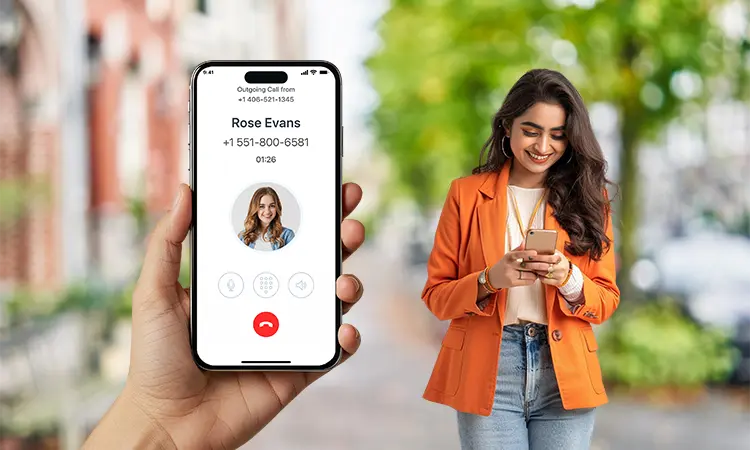
If you give your phone number to strangers, you already need a second phone number.
Whether it’s for work, online selling, or apps, using your personal number everywhere increases your exposure to spam, privacy risks, and unwanted contact.
It’s Not Just for Business: The “Normal Person” Scenarios
Most people assume a second phone number is only for business owners or professionals.
But today, almost everyone shares their number in multiple places:
- Online marketplaces
- Delivery apps
- Social platforms
- Service providers
Your phone number has become a key part of your digital identity. The more you share it, the more control you lose over who can reach you.
A second line is about creating a buffer between your private life and the public world.
1. The Online Marketplaces Shield
Whether you’re selling an old couch on Facebook Marketplace or listing a car on Craigslist, you are essentially posting your identity on a public billboard. A second number allows you to coordinate pickups without handing over the keys to your personal contact info.
Using a second number allows you to:
- Keep transactions separate
- Avoid long-term exposure
- Maintain control over who can reach you
2. The Dating& Social AppsSafety Net
Sharing your personal number too early can be risky. Not every interaction goes as expected, and once someone has your number, you can’t take it back.
A second number gives you:
- A layer of privacy
- The ability to disconnect if needed
- More control over your personal boundaries
3. The Side Hustle & Gig Economy
If you’re driving for a ride-share app, delivering food, or doing freelance tasks, you are constantly communicating with new people.
Instead of exposing your primary number, a second one helps you:
- Keep things organized
- Separate Personal and professionals chats and calls
- Avoid burnout from constant notifications
4. The Discount Code Dumping Ground
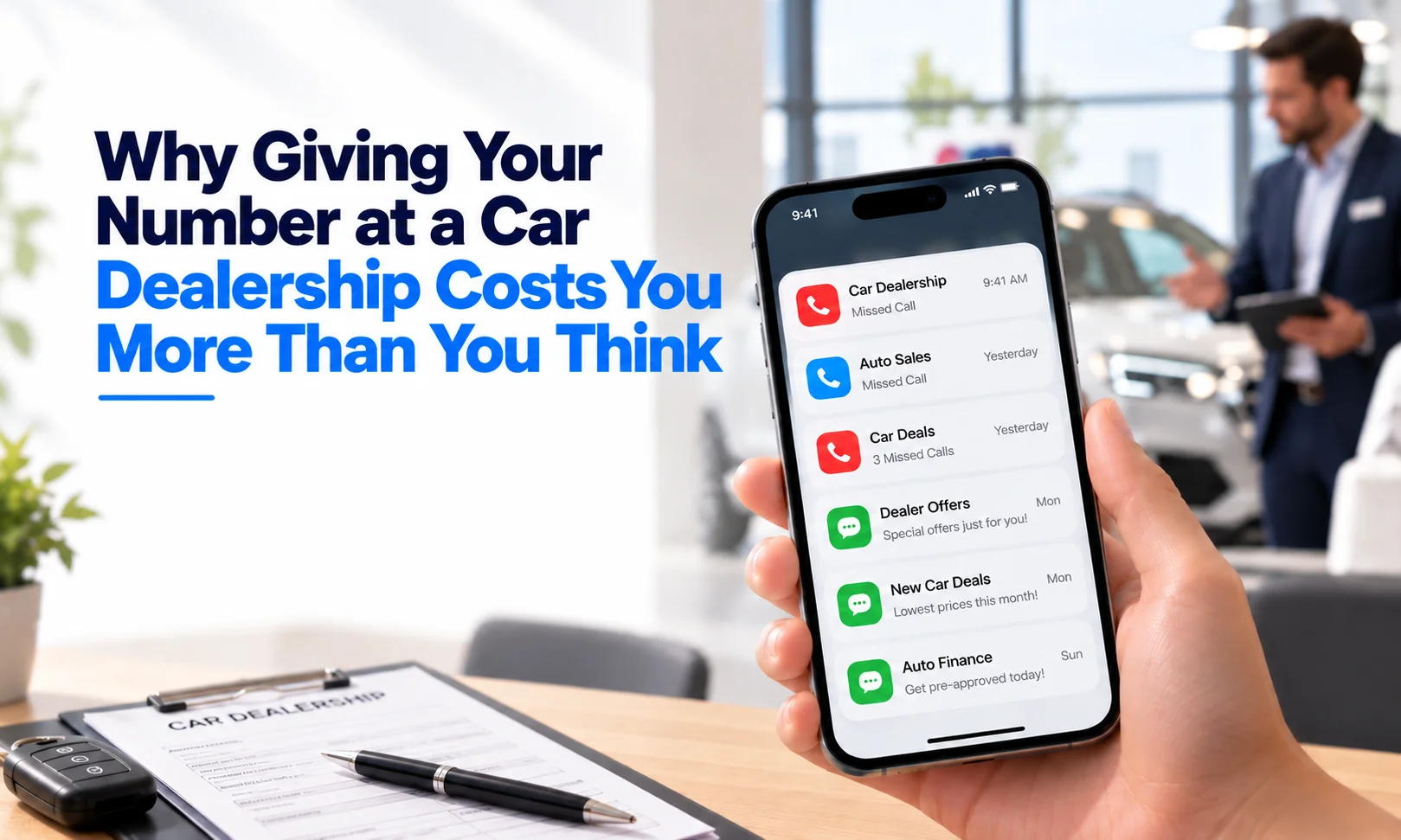
We’ve all done it: traded our phone number for a 10% discount at a retail store, only to be bombarded with marketing texts for the next three years.
A second line helps you:
- Keep things organized
- Separate messages for signups and loyalty programs than personal chats
- Avoid burnout from constant notifications
5. Work and Freelancing
Even if you’re not a business owner, you might still use your number for:
- Freelance clients
- Job applications
- Workplace communication
The problem is that work doesn’t always stay within working hours.
A second number helps you:
- Keep personal time uninterrupted
- Avoid mixing professional and personal conversations
- Turn off work communication when needed
So, Do You Really Need a Second Phone Number?
It depends on how you use your current one.
If your number is only shared with close friends and family, you may not need a second number.
But if you use it for anything beyond that—especially with people you don’t know—then a second number becomes less of a luxury and more of a necessity.
The Hidden Problem: Long-Term Exposure
Once you share your number, it doesn’t just stay with that one person or platform.
It can:
- Be saved and reused
- Get added to contact lists
- End up in marketing databases
Over time, this leads to:
- Spam calls
- Unwanted messages
- Loss of privacy
This is why the question isn’t just “Do you need a second number?”
It’s also:
“How much of your personal number are you willing to expose?”
When You Might Not Need One
To be fair, not everyone needs a second phone number.
You may not need one if:
- You rarely share your number online
- You don’t interact with unknown contacts
- Your usage is limited to close personal connections
But for most people today, this is becoming less common.
Benefits of Having a Second Phone Number
Is it worth the extra few dollars a month? Using a second number is less about convenience and more about control.
Think of a second phone number as digital insurance.
- Zero Spam on Your Main Line: By offloading “risky” signups to a second number, your main line stays quiet and spam-free.
- Mental Boundaries: You can turn off the notifications for your second line at night or during dinner, something you can’t easily do with your primary number.
- Security: If your second number gets leaked in a data breach, it’s an inconvenience. If your primary number gets leaked, it’s a security crisis involving your bank and identity.
It’s a simple way to manage how accessible you are.
Final Thoughts
A second phone number is no longer just for businesses.
If you’re sharing your number with people, you don’t fully know—or using it across multiple platforms—you’re already exposing it more than you think.
In that case, having a second number isn’t extra. It’s practical.
FAQs
1. Is it worth getting a second phone number?
Yes, if you frequently share your number with unknown people or use it for work, selling, or apps. It helps protect your privacy and reduce unwanted contact.
2. Do normal people need a second phone number?
Yes, especially if they use their number for online activities, side hustles, or communication beyond close contacts.
3. Can a second phone number reduce spam calls?
Yes, by limiting where you share your primary number, you can significantly reduce spam and unwanted calls.
4. Is a second phone number only for business use?
No, it’s useful for everyday situations like dating, online selling, freelancing, and app registrations.
5. Can I use a second number for apps and signups?
Yes, many people use a secondary number specifically for app registrations and online accounts to protect their primary number.
6. What is the main benefit of having a second phone number?
The biggest benefit is control—over your privacy, communication, and who can reach you.