Phone numbers persist across platforms long after you stop using them.
Even if your SIM is deactivated, your number may remain linked to accounts, apps, and data brokers for months-or even years.
Why This Matters More Than You Think
Most people assume that once they stop using a phone number, it’s gone for good.
But in reality, your number becomes part of your digital identity and that identity doesn’t disappear when your SIM card does.
Your phone number can stay connected to:
- Online accounts
- Messaging apps
- Marketing databases
- Third-party data brokers
This creates a digital footprint that continues to exist-even without your control.
How Long Does a Phone Number Stay Linked to You?
There’s no single answer, because it depends on where your number has been used.
Here’s how it typically plays out:
1. Old Accounts Stay Linked Indefinitely
If you’ve used your number to sign up for:
- Social media
- Banking apps
- Shopping platforms
That number may remain attached until you manually remove or delete it.
Even inactive accounts can still store your number in their databases.
2. Data Brokers Keep It Even Longer
Data brokers collect and store personal information, including phone numbers.
Once your number enters these systems:
- It can be resold multiple times
- Linked with your name, email, or address
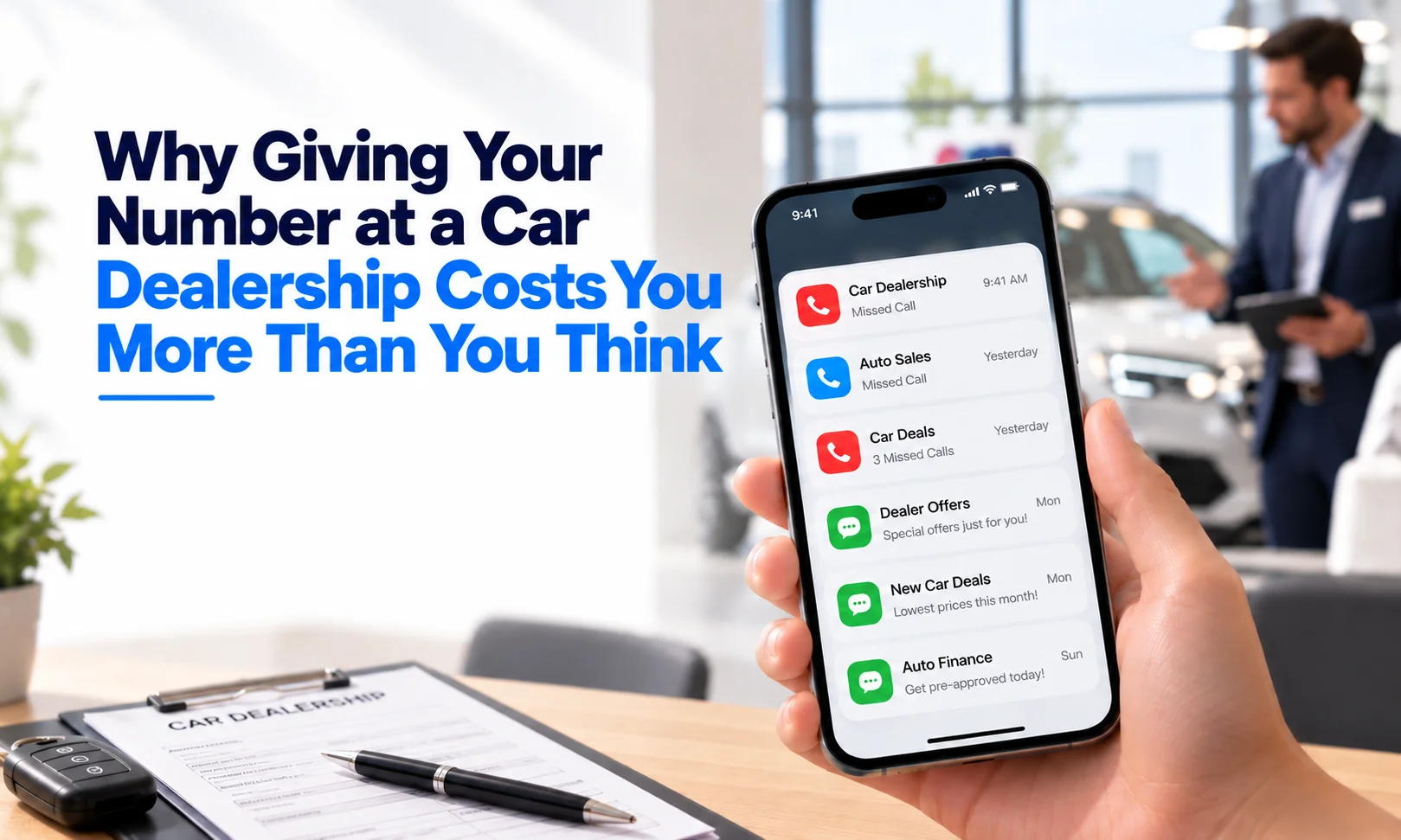
- Used for targeted ads or spam
This means your number can exist in the data ecosystem long after you stop using it.
3. Reassignment Creates Hidden Risks
Telecom providers eventually reassign unused numbers to new users.
So, your old number might:
- Belong to someone else
- Still be linked to your old accounts
- Receive messages meant for you
This overlap creates serious privacy and security concerns.
The WhatsApp Gap: A Hidden Risk Most People Ignore
One of the biggest blind spots is messaging apps-especially WhatsApp.
What Happens on WhatsApp?
- Your account is tied directly to your phone number
- If you stop using the number but don’t delete the account, it stays active
- When the number is reassigned, a new user can register it
The Risk:
If someone gets your old number, they could:
- Access your profile information
- Receive messages meant for you
- Potentially impersonate you
Even though chats are protected, the identity link to your number remains a weak point.
Real-Life Scenarios
Let’s make this practical:
Scenario 1: Old Work Number
You leave a job and stop using your work number.
But it’s still linked to:
- Client accounts
- OTP verifications
- Business tools
Months later, someone else gets the number.
Scenario 2: E-commerce & Subscriptions
Your number remains tied to:
- Delivery apps
- Online stores
- Subscription services
You may still receive promotional messages-or worse, someone else might.
Scenario 3: Messaging Apps
You switch numbers but forget to update apps.
Now your old number:
- Still has active accounts
- Can be reclaimed by a new user
Why This Happens: The Digital Footprint Effect
Your phone number isn’t just a contact detail-it’s a unique identifier.
Platforms use it to:
- Verify identity
- Sync contacts
- Track user behavior
Once stored, it becomes part of your long-term digital footprint, which is rarely deleted automatically.
How to Protect Yourself
Here are simple steps to stay in control:
Before Leaving a Number:
- Remove it from all major accounts
- Update it with your new number
- Enable email-based recovery where possible
Delete or Deactivate:
- Messaging apps (especially WhatsApp)
- Social media accounts you don’t use
Limit Exposure:
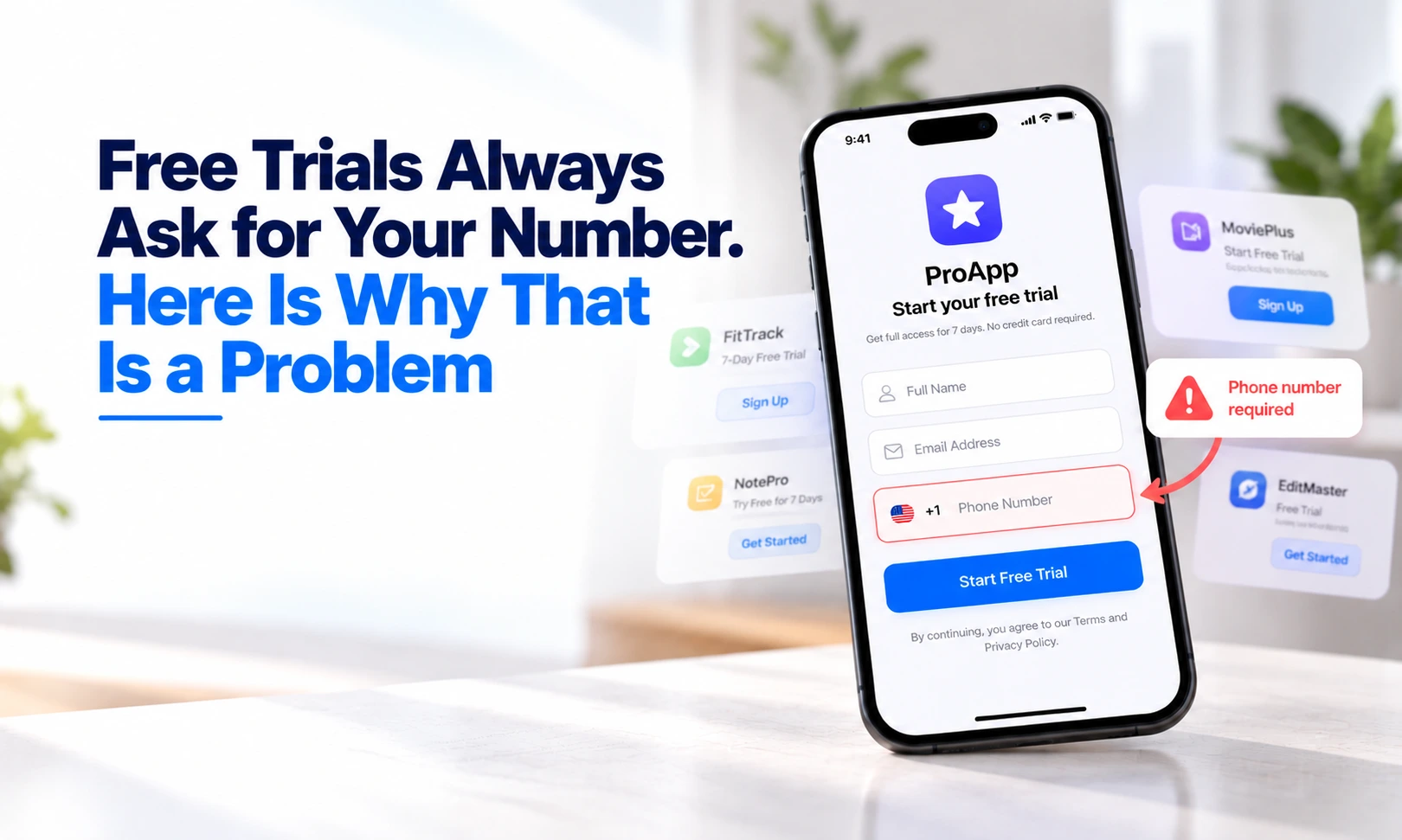
- Avoid sharing your primary number everywhere
- Use a secondary number for signups and temporary use
A Smarter Approach: Use a Second Phone Number
Using one number for everything increases your risk.
A better approach:
- One number for personal use
- One for work or online accounts
This way, even if one number persists online, your core identity stays protected.
Final Thoughts
Your phone number doesn’t disappear when you stop using it, and it lingers across platforms, apps, and databases.
Understanding this helps you:
- Protect your privacy
- Avoid identity risks
- Stay in control of your digital presence
In today’s connected world, managing your number is just as important as managing your passwords.
FAQs
1. How long does a phone number stay linked to you?
A phone number can stay linked to your accounts and databases indefinitely unless you remove or update it manually.
2. Can someone else use my old phone number?
Yes, telecom providers often reassign unused numbers to new users after a period of inactivity.
3. What happens if my old number is reassigned?
The new user may receive messages or verification codes intended for you if your number is still linked to accounts.
4. Does WhatsAppdeleteinactive numbers automatically?
No, unless you delete your account, your number may remain associated with WhatsApp even after you stop using it.
5. How do I remove my phone number from old accounts?
Log into each account and update or delete your number manually. Also, consider deleting unused accounts.
6. Is it safer to use a second phone number?
Yes, using a secondary number for online signups helps protect your primary number and reduces long-term exposure.