If you’ve ever searched “should I change my phone number for privacy?” You’re probably feeling overwhelmed. Maybe spam calls won’t stop. Maybe someone you’d rather avoid keeps reaching out. Maybe your number ended up on the wrong list. Changing your phone number feels like hitting a reset button, clean slate, fresh start, problem solved.
But here’s the truth: most people don’t realize until it’s too late:
Most people regret changing their numbers.
Not because the privacy concern wasn’t real, but because changing your number often creates new problems that are harder to fix than the original one.
Why Changing Your Number Feels Like the Only Option
When your phone becomes a source of stress, the solution seems obvious: just get a new number. It sounds permanent. Final. Secure.
And yes, in extreme cases, harassment, stalking, serious security concerns, changing your number can be necessary.
But for everyday privacy concerns like:
- Too many spam calls
- Oversharing your number online
- Ex giving your number to others
- Signing up for too many services
Changing your number is usually an overcorrection.
What You Lose When You Change Your Number Completely
The biggest mistake people make is underestimating how connected their phone number really is.
Your number isn’t just a way to receive calls. It’s a digital identity key.
When you change it, you may lose access to:
- Two-factor authentication for banking apps
- Social media account recovery
- Shopping and delivery accounts
- Messaging app verification
- Medical portals and appointment reminders
- Long-time contacts who never got the update
Even if you remember to update everything, it takes time, and you’ll almost certainly miss something important.
Weeks later, you might be locked out of an account that still sends verification codes to your old number.
That’s when regret sets in.
For more on how phone numbers are used in application flows, see how verification systems work.
What You Gain Instead of What You Lose
When you change your primary number, you risk losing access to systems and people.
When you add a second number, you gain:
Boundary Control
Decide who gets long-term access to you.
Spam Containment
Keep promotional calls and unknown contacts in one place.
Emotional Peace
No need to notify everyone or update dozens of accounts.
Reversible Flexibility
If the second number gets messy, you can replace it, without affecting your real world.
The Hidden Headache No One Talks About
Changing your number creates a ripple effect:
- You must notify dozens, sometimes hundreds, of contacts.
- Some people won’t save their new numbers.
- Important messages may still go to your old one.
- Your old number eventually gets reassigned to someone else.
Yes, phone numbers are recycled. In a few months, someone else could have your old number.
If you forgot to update a service before the transfer, your verification code might go to a complete stranger.
That’s not increased privacy.
That’s an accidental risk.
If you’re interested in how phone number reassignment works, check out our blog on number reuse and privacy.
The Psychological Cost of Starting Over
There’s also a social and emotional toll. People who change their numbers often say:
- “I feel disconnected.”
- “It’s exhausting updating everyone.”
- “I missed important calls.”
- “I wish I had another option.”
Your phone number is a big part of your daily life. If you rely on Facebook for business, networking, or long-term relationships, cutting off access can make you feel alone.
When it makes sense to change your number
It’s only reasonable to say that there are times when it’s the right thing to do:
- Harassment or threats to safety that don’t stop
- A lot of exposure to identity theft
- Situations where you need legal or personal protection
In many situations, privacy is more important than convenience.
But for most people who just want to cut down on spam or limit who can reach them, there’s a better way.
A Better Option: Separation Instead of Replacement
Think about segregating your digital identity instead of deleting it. Keep your main number for:
- Family
- Good friends
- Banks and important accounts
Then use a different number for
- Sign up online
- Listings in the marketplace
- Apps for dating
- Questions about business
- Interactions that don’t last long
Now you keep your long-term personal life apart from your public life.
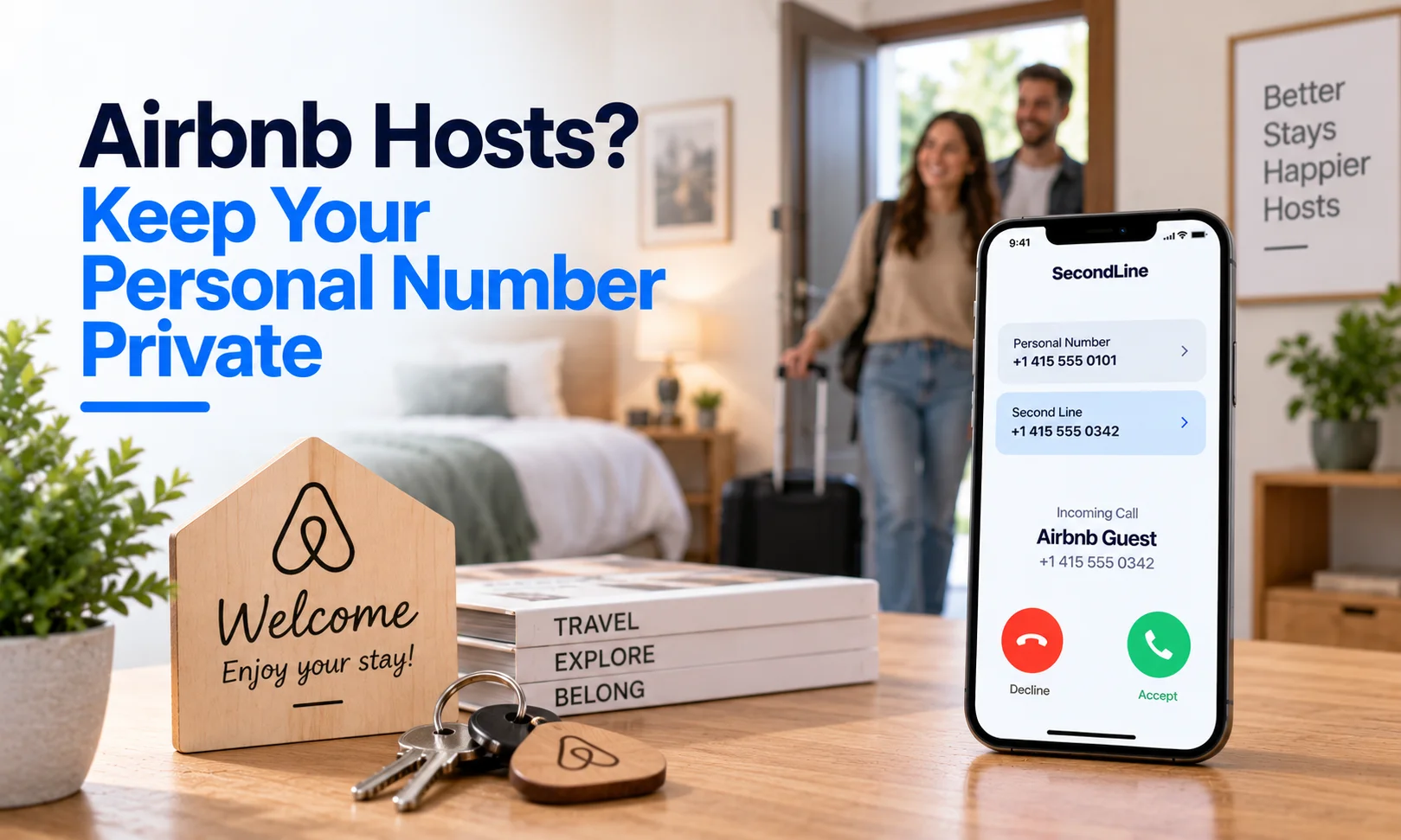
That’s exactly the model behind Second Line Number a dedicated phone line you can use in scenarios where you don’t want to expose your core identity or disrupt your personal number.
If you want to understand how this works in real use cases, check out what second phone numbers are used for.
Why a Second Number Is Often the Better Privacy Strategy
Changing your phone number resets your identity. A second number manages your exposure.
When you try to erase your number, you lose the continuity that makes your digital life functional.
When you use a second number intentionally, you gain:
- Boundary control: Who gets your real number
- Spam containment: Separate inbox for public world
- Flexibility: Replace or retire the secondary number if exposure grows
- Peace of mind: Your primary number stays private
This is privacy by design, not panic by default. For step-by-step strategies on how to protect your number online, see Second Phone Number privacy best practices guide.
Final Answer: Is Changing Your Number the Only Option?
No.
Changing your phone number is the most extreme solution, and in most everyday privacy concerns, it’s unnecessary.
It can help with major safety threats.
But for spam, oversharing, unwelcome contact, or general exposure issues, adding a second line number with SecondPhoneNumber is usually the best and most flexible choice.
Privacy doesn’t mean going away.
It’s about controlling who can get in and keeping what matters safe while keeping the rest apart.
FAQ’s: Frequently Asked Questions
1. Is it a good idea to change my phone number to keep my privacy?
In most cases, no. Changing your number can create account and contact issues. A second number is typically a more effective solution for routine privacy concerns.
2. Is it the sole method of preventing spam callsfrom changingmy phone number?
No. Spam can return if you share your new number widely. Managing exposure or using a second number is more effective in the long-term.
3. What happens if you change your phone number?
The institutions, applications, and services that are linked to your previous phone number must be updated. If you forget, you can lose access to important accounts.
4. Is itfeasible for someone else to have my old phone number?
Yes. Carriers often give out numbers that aren’t being used. If you didn’t update linked accounts, the new owner can get verification messages.
5. What are the dangers of getting a new phone number?
If your old number gets reassigned, you can lose access to your account, miss critical calls, fail to update your information, or have privacy issues.
6. Is the second phone number better than changing my main number?
For most privacy concerns, yes. A second number lets you separate personal contacts from public interactions without disruption.