Gig workers often ask a simple question after a delivery is complete: How did this customer get my number?
In 2026, phone numbers are no longer temporary contact points. They serve as identity connectors, revealing WhatsApp profiles, call histories, and personal contexts not intended for customer sharing.
Because customer interactions are frequent, short-term, and often involve masked calls that still reach a personal device, Uber and DoorDash drivers are particularly vulnerable. Once a real number is exposed, blocking becomes reactive instead of protective.
This guide explains how gig workers use a second phone number to keep their personal number off customer contact lists, prevent exposure on WhatsApp, and maintain clear boundaries without breaking platform rules or complicating daily work.
If you’re new to the concept, this overview explains why people use an alternative or second phone number in everyday situations and what it realistically protects you from.
Why Gig Workers Are Exposed Differently
Most gig platforms do try to protect drivers. Calls are masked. Messages are routed. On paper, everything looks safe.
But here’s what doesn’t get talked about enough.
Your phone still receives the call.
Your phone still logs the interaction.
Your messaging apps still register a number.
Modern smartphones are extremely good at remembering details you didn’t explicitly save.
Auto-suggested contacts, synced address books, call history backups, and messaging app integrations all create small gaps. One gap is enough.
This same exposure pattern is one reason people use virtual or secondary numbers to avoid spam and scams with our Virtual Number.
When you’re handling dozens of deliveries each week, the probability changes. What feels unlikely once becomes inevitable over time.
The Moment When Privacy Breaks
Ask most drivers when they realized something was wrong, and you’ll hear a similar story.
The delivery is complete. The app confirms it’s done.
Then, hours or even days later, a message arrives outside the platform.
Sometimes it’s harmless.
Sometimes it’s awkward.
At times, it may exceed acceptable boundaries.
The real issue isn’t just the message. It’s the realization that your personal phone number is now sitting in someone else’s contacts, possibly saved, possibly shared, and completely outside the platform’s control.
This is the same reason many users choose a secondary number early, before exposure becomes a problem:
Why Blocking Isn’t a Real Fix
Blocking someone after they message you is reactive. It addresses one person and one incident.
It does not:
- Please remove your number from their phone.
- Undo screenshots or saved profile details
- Prevent the next customer from doing the same thing.
Blocking treats the symptom. Prevention solves the problem.
This is why people who deal with frequent unknown contacts focus on number separation instead of block lists:
The WhatsApp Problem Most Drivers Miss
This is where the issue escalates quietly.
WhatsApp isn’t just a messaging app. It’s an identity layer.
Your profile photo, name, and activity are tied directly to your phone number. If someone saves your number, they don’t just gain access to a chat; they gain context.
Even if you never reply, parts of your profile may still be visible.
This process is also why many users check virtual number compatibility before using a number for WhatsApp or verification:
WhatsApp doesn’t distinguish between work numbers and personal numbers. To the platform, a number is simply a number.
Why Gig Workers Need Separation, Not Anonymity
There’s an important distinction to make.
Gig workers don’t need to hide.
They need separation.
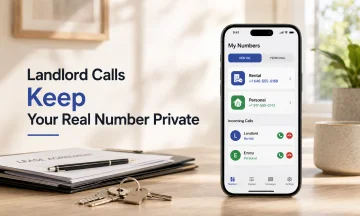
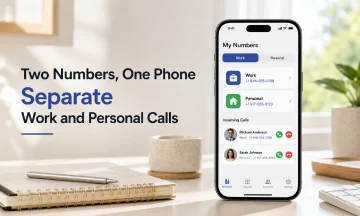
Using a second phone number isn’t about disappearing or avoiding responsibility. It’s about creating a buffer between your personal life and transactional interactions.
Your work number handles deliveries.
Your personal number stays personal.
That’s it.
This same principle is why alternative phone numbers are widely used beyond gig work.
This focus on separation rather than anonymity aligns with broader digital privacy principles discussed by organizations like the Electronic Frontier Foundation (EFF).
How a Second Phone Number Actually Helps
When you use a dedicated second phone number for gig work, several things change immediately.
- Customers only ever see the work number.
- Any saved contact belongs to that line, not your personal SIM.
- WhatsApp registrations remain separate
- If something goes wrong, exposure is limited.
Most importantly, when your shift ends, your real phone life remains untouched.
If you want to explore how the process works in practice, you can start directly from the main platform here with Second Phone Number.
Running Two WhatsApp Accounts on One Phone (Without Headaches)
A common misconception is that using a second number requires carrying a second phone.
That’s usually unnecessary now.
Most Android devices support app cloning or Dual Messenger features. On iOS, WhatsApp Business can run alongside the regular WhatsApp app. Each instance is registered with a different number.
This setup allows you to:
• Register your work number on a separate WhatsApp account
• Keep your personal WhatsApp completely private
• Control when the work WhatsApp is active
Before setting this up, many users verify which virtual numbers work reliably for messaging apps:
Why Free Burner Numbers Don’t Hold Up
Many drivers start with free number apps. That’s understandable.
The problems appear later.
Free numbers are often recycled. The number you receive may have been used by dozens of people before you. Messaging platforms flag them. Calls fail. Verification breaks.
This is one reason people shift from free numbers to stable alternatives designed to reduce spam and reliability issues
For gig work, reliability isn’t optional. Missed calls mean missed deliveries. Broken messaging impacts ratings.
What a Second Phone Number Does and Doesn’t Do
It’s important to be clear.
A second phone number helps you:
- Please ensure your personal number is not included on customer contact lists.
- Reduce off-platform messaging
- Protect your personal WhatsApp profile.
- Maintain clean boundaries between work and life
It does not:
- Bypass platform rules
- Provide illegal anonymity
- Replace identity verification
Understanding this balance is key when choosing any alternative phone number solution:
Choosing the Right Setup as a Gig Worker
Not every driver needs the same setup.
If you deliver occasionally, a basic second line is usually sufficient.
If you’re driving daily or managing multiple apps, a dependable setup helps reduce unnecessary hassle. Most users begin by checking out the Second Phone Number Platform directly:
If you need assistance at any point, Second phone number official support is available.
Why This Is Even More Critical in 2026
Gig work has evolved.
Customers expect speed and convenience. But that doesn’t mean they need permanent access to you.
Your phone isn’t just a work tool. It’s personal space.
When that space is crossed repeatedly, it affects how safe and comfortable the work feels. Over time, that impact adds up.
Final Verdict: Establishing Boundaries Is the Key to Safety
Gig workers aren’t overreacting. They’re adapting.
A second phone number doesn’t make you invisible.
It makes your work contained.
When the delivery ends, the conversation ends.
When the shift ends, access ends.
That’s professionalism, not paranoia.
If you need help getting started or managing an issue, official Secondline number support is available here:
FAQs: Frequently Asked Questions
Is it necessary for Uber and DoorDash drivers to have a second phone number?
If you drive regularly, a second phone number helps keep your personal number off customer contact lists and prevents unwanted follow-up contact.
Can Uber or DoorDash customers save my phone number?
Yes. Even when masked calls occur, phone logs or messaging apps can still record and store these interactions.
How do drivers stop customers from messaging them on WhatsApp?
Using a second phone number for gig work ensures that customers never receive your personal number.
Can I use WhatsApp with a second phone number on the same phone?
Yes. Android supports Dual Messenger (app cloning), and iOS supports WhatsApp Business alongside the regular app.
Is using a second phone number allowed for Uber or DoorDash?
Yes. Using a second phone number for privacy and communication control is legal and commonly used.
Is a second phone number better than blocking customers?
Yes, Blocking is reactive. An additional number offers proactive protection by keeping your main number hidden.